World could save U$ 4 trillion per year by going all renewable and electric
The energy transition is inevitable. Renewable electricity from wind and solar is now the cheapest form of energy humanity ever had at its disposal.
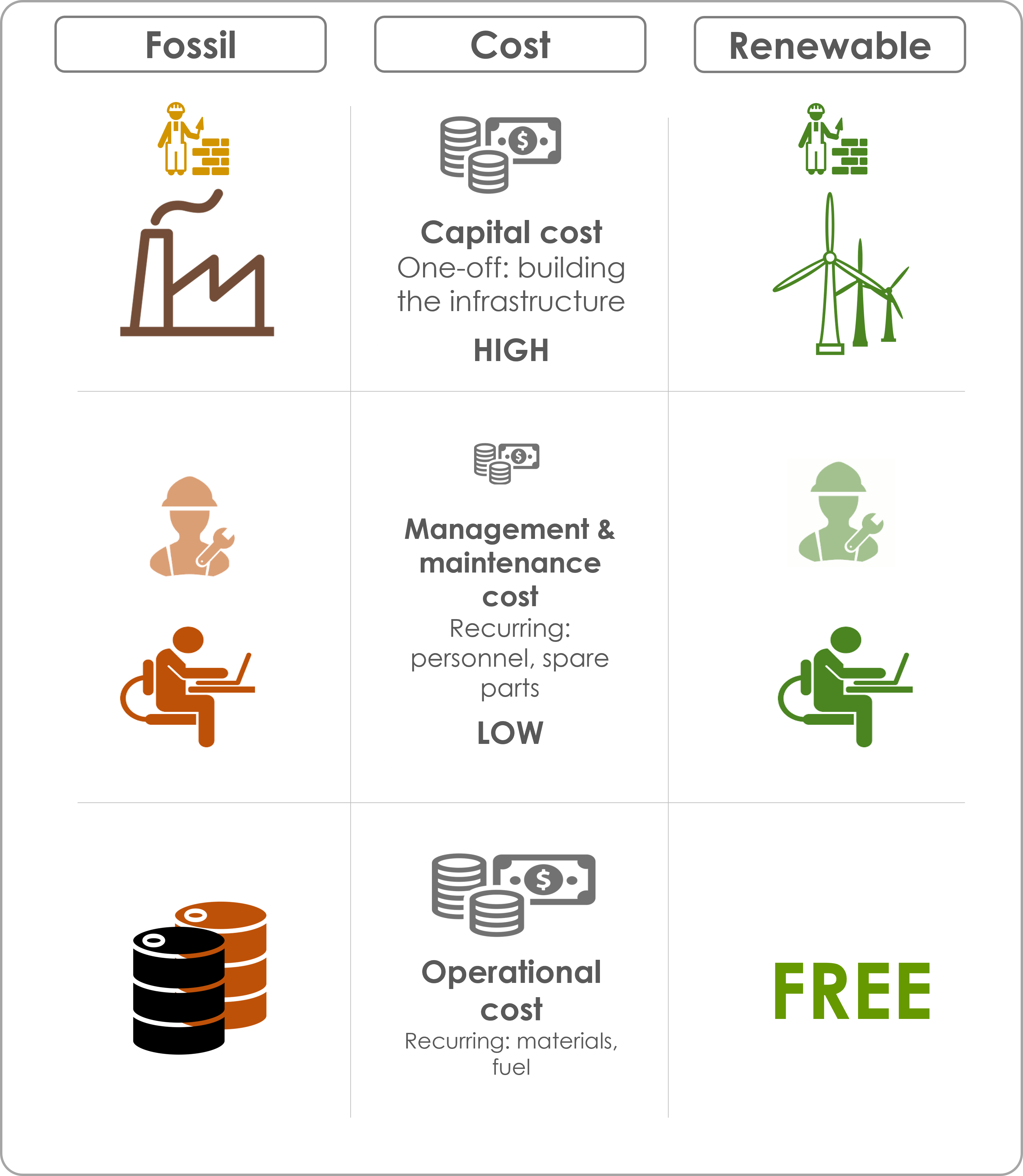
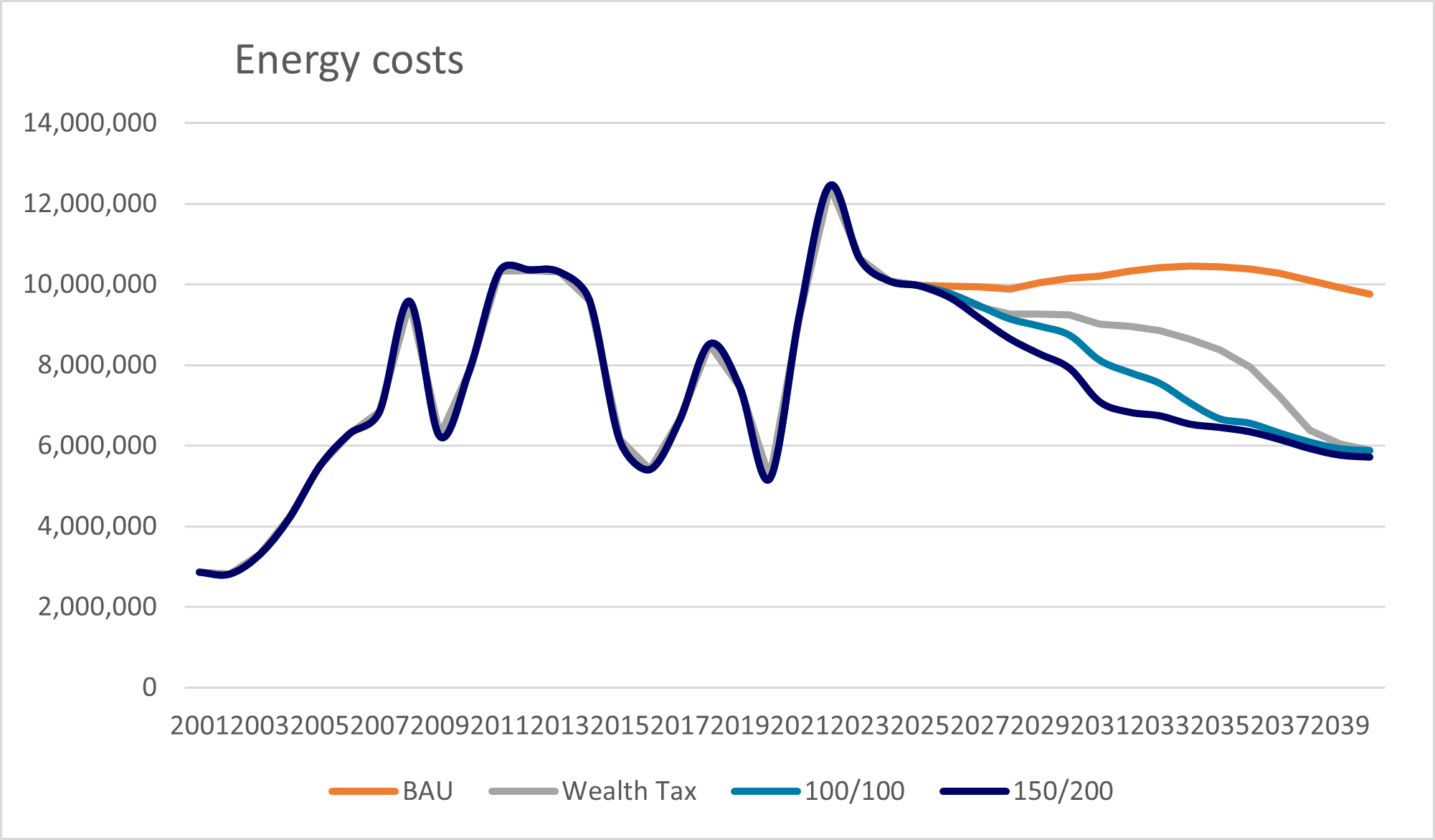
Electronic technology – for transport, heating, manufacturing – is much more efficient, cheaper and simpler compared to fossil-powered counterparts. It is pure economic (renewable electricity is cheaper than oil) and efficiency considerations (electronic machines use far less energy than fossil machines).
Renewable vs used energy
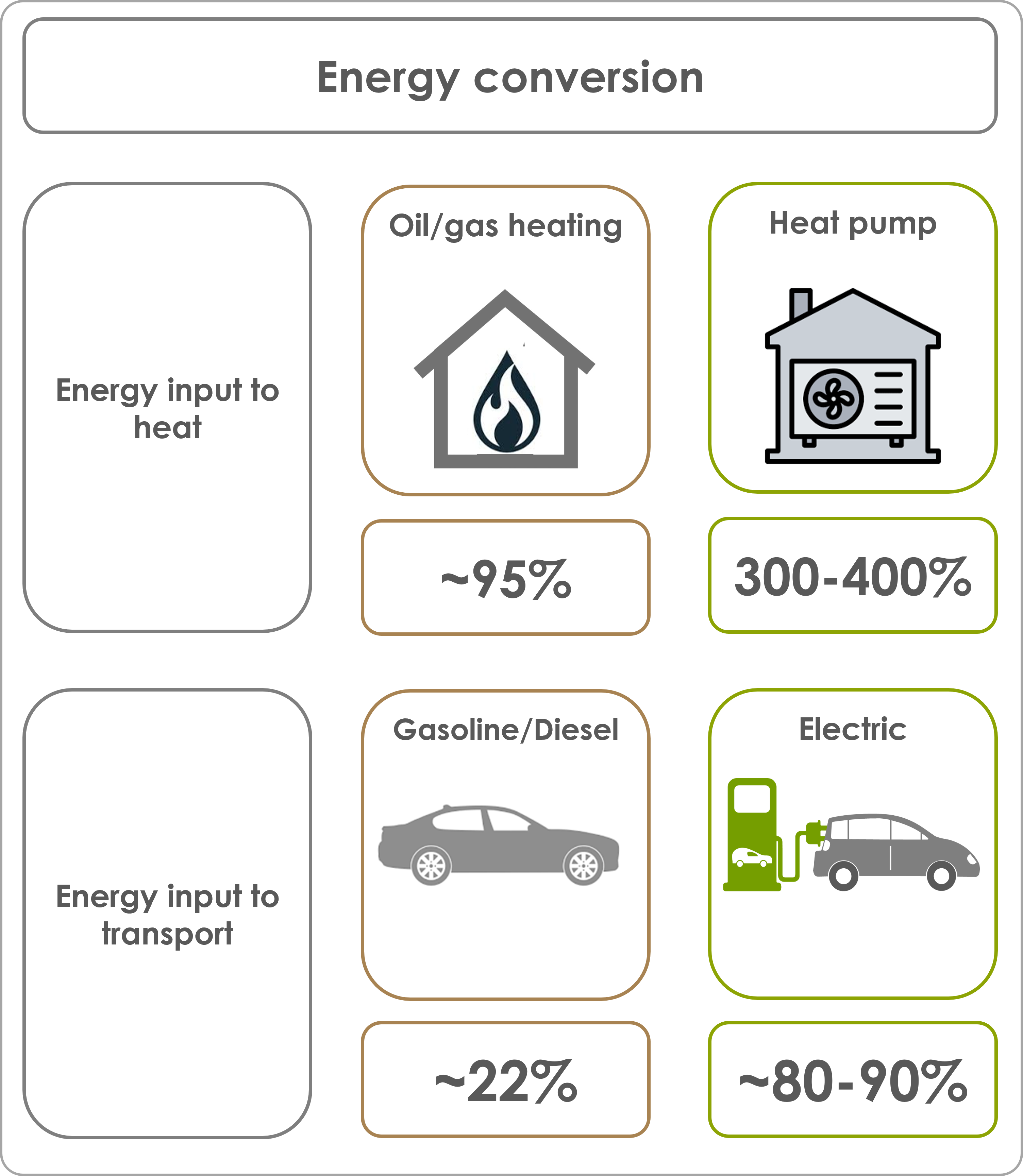
There is a big difference between the energy that we consume, and the energy that we actually use. When driving a car, most of the energy contained in the gasoline is lost as heat. So what we consume is the energy contained in gasoline, but what we actually use – the transport – is only about 22% of the energy that we consume. This is governed by laws of thermo-physics and cannot be improved.
It can be improved, however, with different technology: an electric motor has a theoretical energy conversion of 100%, so the energy we consume is almost equal to the energy we use. Switching to electric therefore saves a lot of energy – and with that, money.
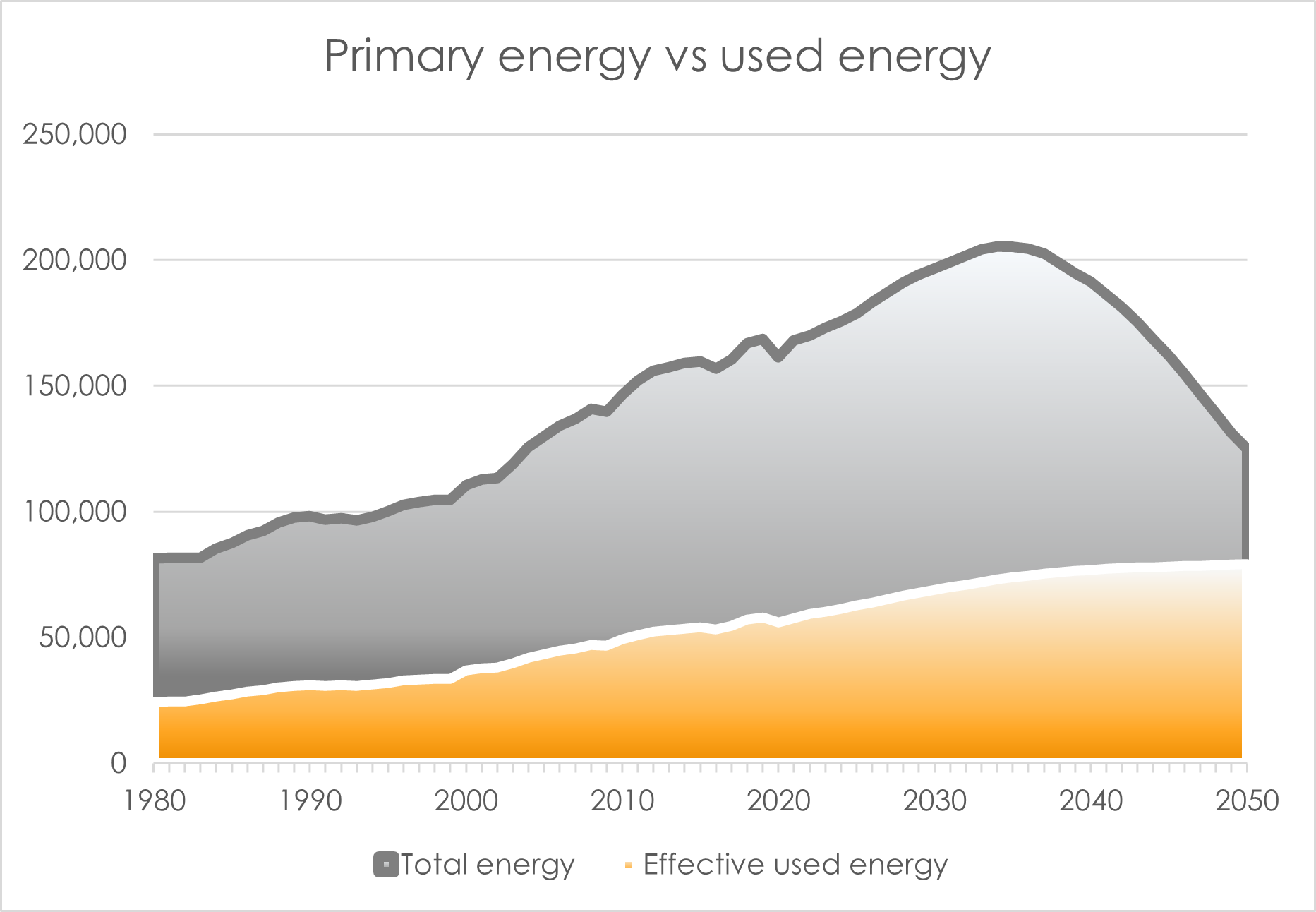
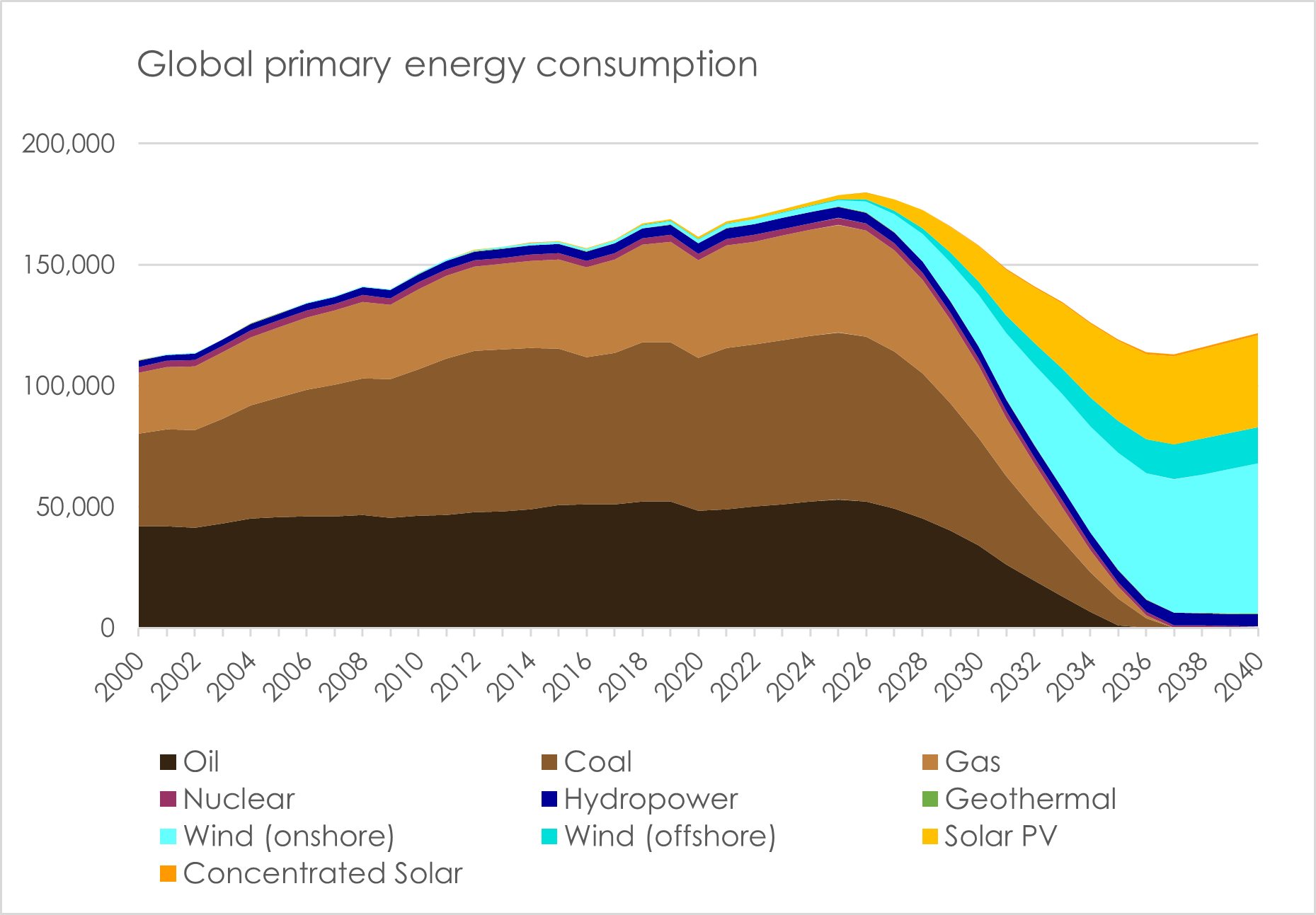
The energy transition is now inevitable.
Modelling future energy demand and supply by extrapolating historic trends shows that there will be enough renewable electricity to replace all fossil energy by 2055 – even without climate related policies.
That is the good news. The bad news is – it is not fast enough in the face of accelerating global warming and the associated heat waves, droughts, wildfires, storms and flooding we are now seeing around the globe.
Financing the Transition
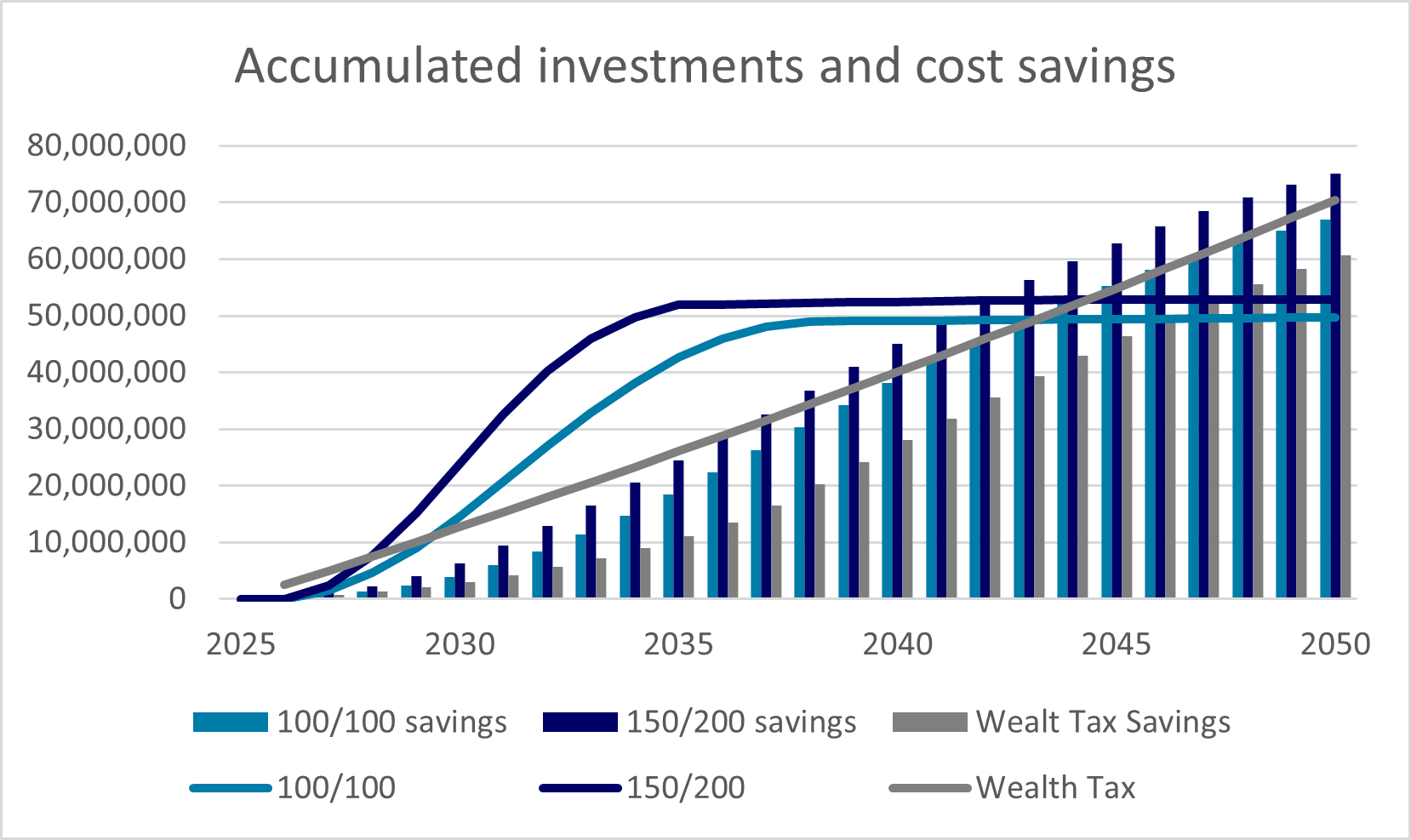
A full global transition to renewable energy would cost approximately U$ 53 trillion. The funds for these investments could be raised simply, in three different ways:
- Pricing climate emissions, progressively increasing (e.g. starting at U$ 100/tCO₂e, increasing by U$ 100 every year, or U$ 150/200).
- Taxing the super-rich (e.g. taxing the income/wealth of the Top 1% at 10%)
- Central bank loans (given that they would immediately be re-invested in economic activities, there will be no adverse impact on inflation)
- A combination of the above
Cost savings of U$ 75 trillion by 2050
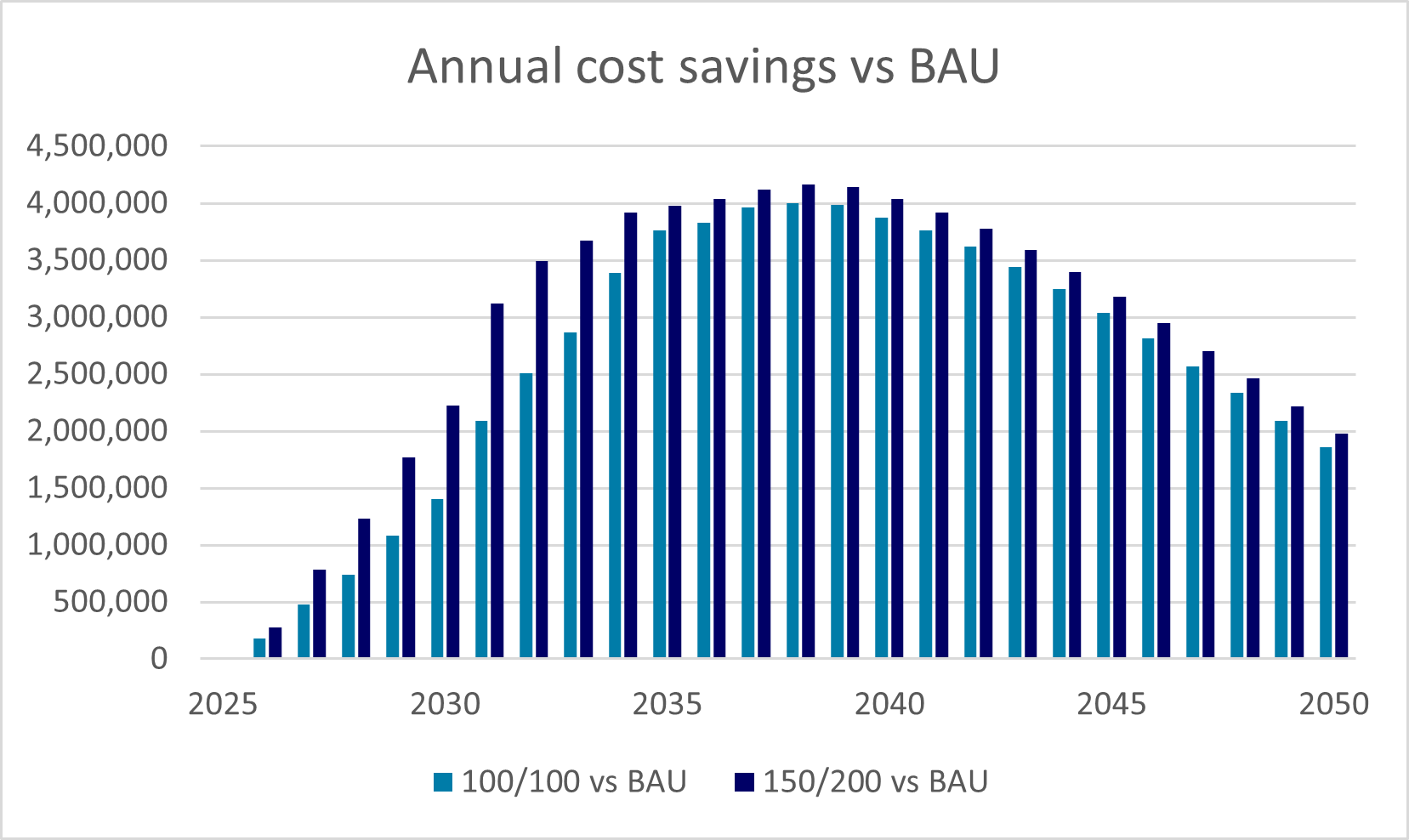
Because renewable energy is cheaper and electric motors and appliances more efficient than combustion engines, going all renewable and electric would have significant cost impacts for the global economy: the savings potential is more than U$ 4 trillion per year. Accumulated, this amounts to more than U$ 75 trillion by 2050.
The faster the investments are made, the higher the financial benefits will be.
Net-Zero could be reached in 10 years
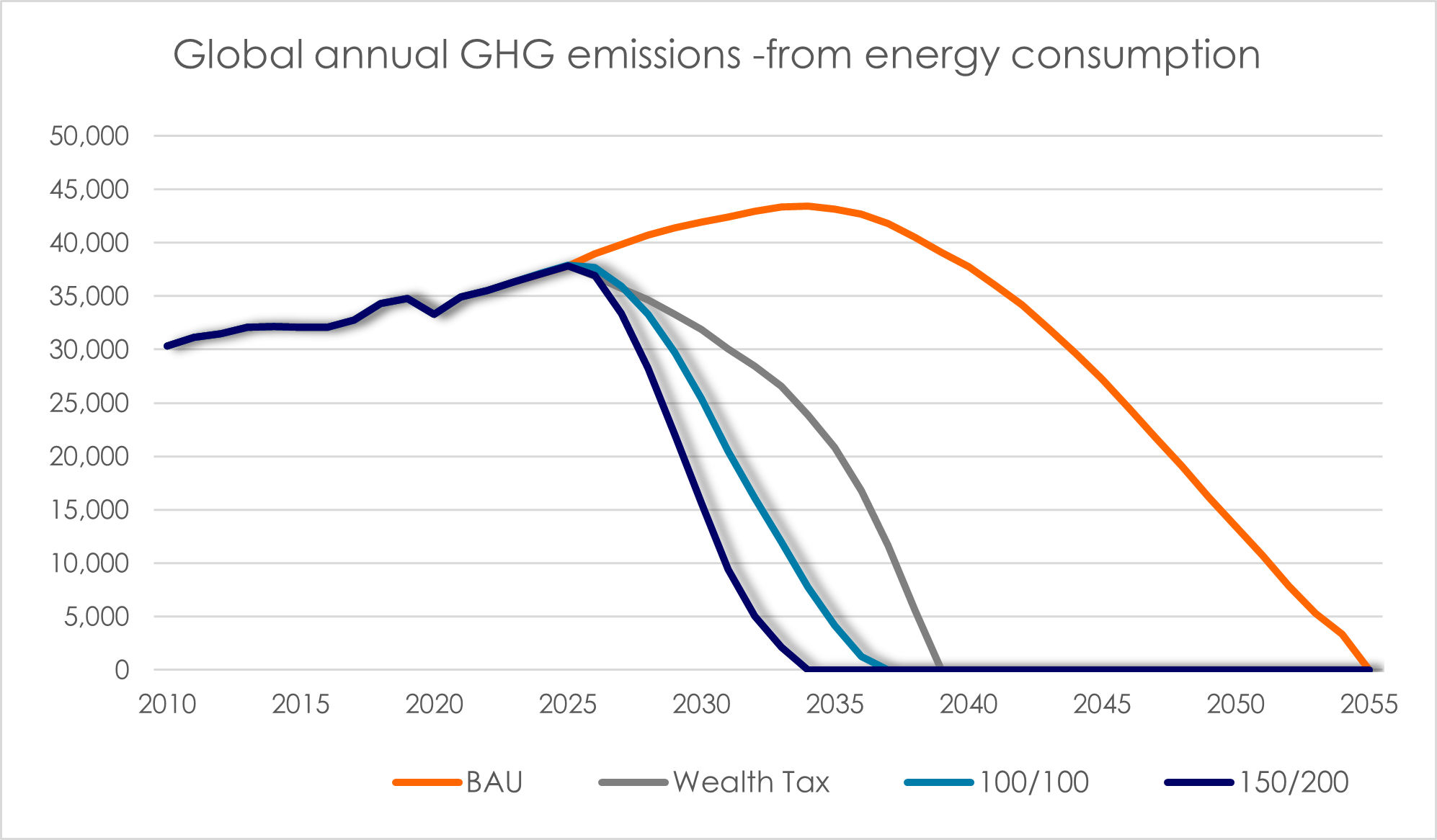
Even in a business-as-usual scenario, energy-related CO₂ emissions will be eliminated by 2055. Unfortunately, that is not fast enough to save humanity from extinction.
By applying a stringent carbon fee with a 50% cash-back element, net-zero could be reached within 10 years. However, this would require global co-ordination and political willingness, both of which appear a remote possibility at the moment.
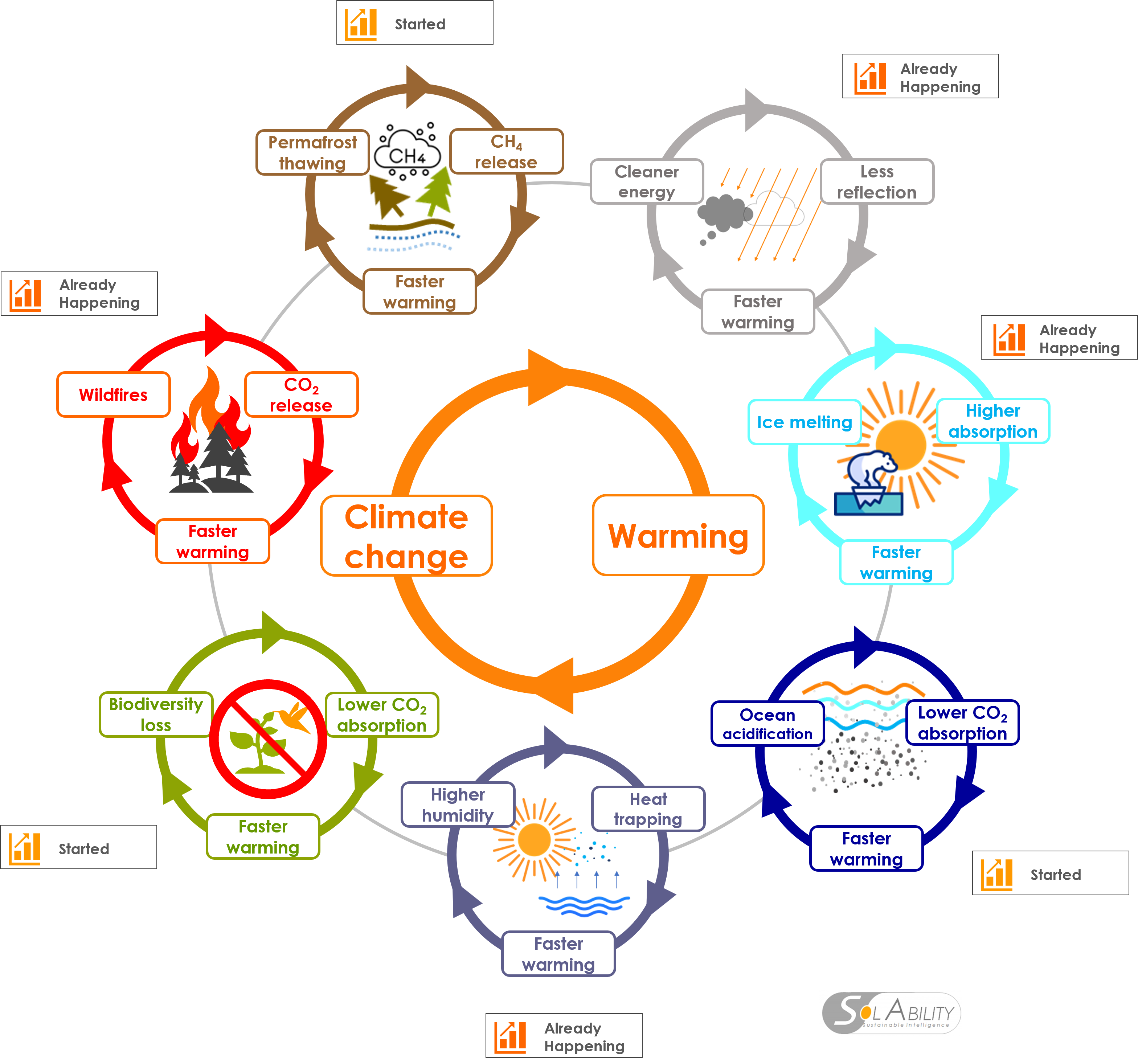
We are already seeing feedback loops in full swing
That is the bad news – it is not fast enough in the face of rapidly accelerating global warming and the associated heat waves, droughts, wildfires, storms and flooding we are now seeing around the globe. Only the most radical plans are good enough.
We are painfully aware that implementing any of these scenarios would require political courage and willingness as well as global co-ordination, all of which seems nowhere to be detectable at this very moment.
The climate feedback loops already in play:
Want to learn more?
For detailed modelling and analysis, download the full report on energy transition and cost savings.
Download Full Report